Contractor’s Guide to Buying Insurance: Should You Buy from a Broker, an Agent, or Direct?

How a construction business buys insurance directly impacts its bottom line and its ability to pull permits or step onto a job site. The wrong…


How a construction business buys insurance directly impacts its bottom line and its ability to pull permits or step onto a job site. The wrong…
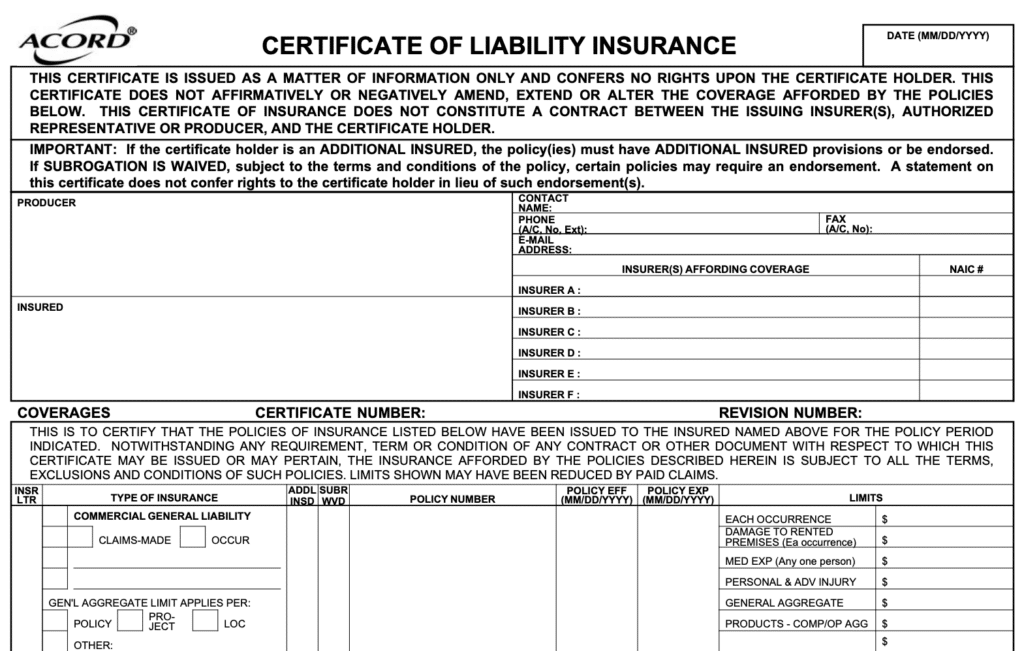
Winning a project bid establishes the commercial agreement, but physical work cannot begin until the risk transfer is verified. Because a COI is merely a…

The construction industry carries one of the highest business failure rates in the country. Most contractors do not shut down because they lack field expertise;…
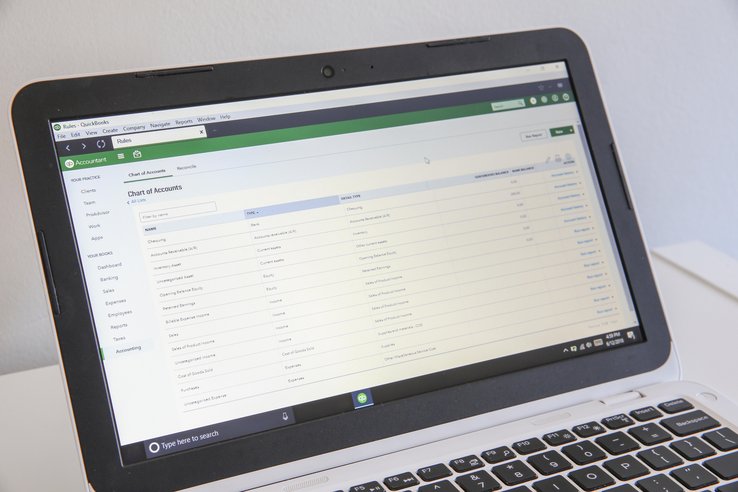
Operating a construction business on generic bookkeeping software or disconnected spreadsheets creates structural risk. While standard businesses track simple income and expenses, contractors manage multi-phase…

Running a $50 million construction firm on QuickBooks and spreadsheets forces your back office to waste days reconciling duplicate job costs, chasing change orders, and…

General contractors operate differently than specialty trades. Rather than absorbing direct labor risk, a GC acts as a financial clearinghouse—balancing upstream cash collections from project…
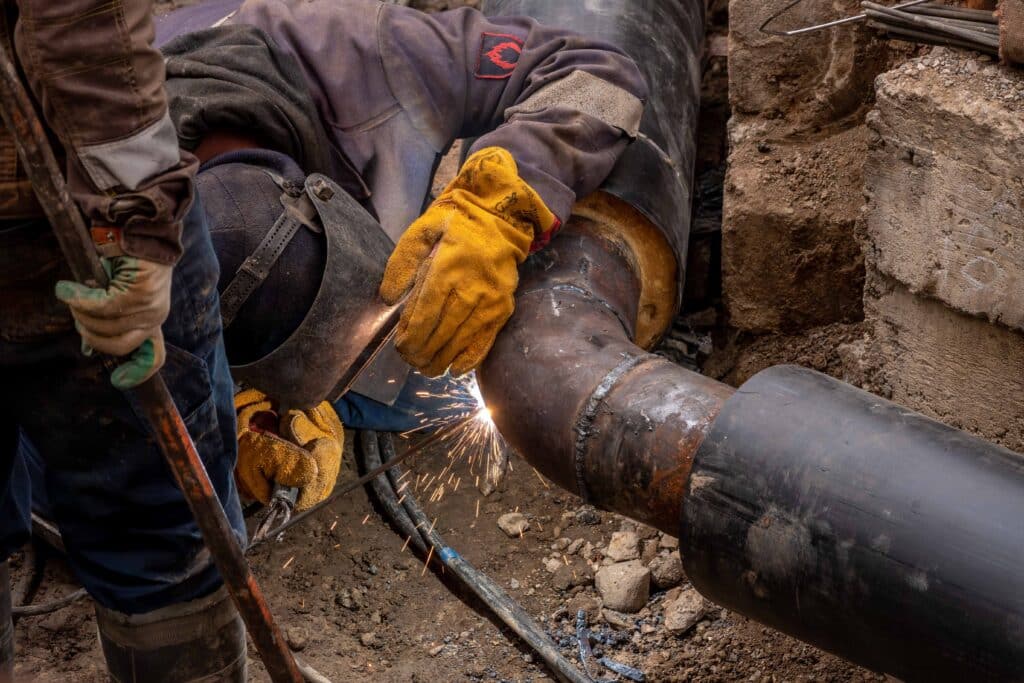
Commercial subcontractors carry the highest direct labor risk in the construction industry. Unlike a general contractor who pushes risk downstream through subcontracts, a specialty trade…

Whether running a single service truck or managing multiple active jobsites, contractors need an accounting system that does more than just categorize general income and…

QuickBooks remains the baseline accounting software for most construction firms, but the landscape looks entirely different this year. With the 2026 rollout of Intuit Enterprise…

Many growing contractors look at a positive bank balance and assume the business is healthy. In reality, you can have plenty of cash on hand…