


In the construction industry, reaching the end of a build doesn’t mean the job is finished. Before a project can officially close out, the project owner, architect, and general contractor must conduct a final site walkthrough to identify any lingering defects, cosmetic damage, or incomplete specifications. These deficiencies are compiled into the punch list—sometimes referred to as a snag list. While most items involve minor rework, such as touching up drywall scratches or replacing damaged fixtures, owners may also use this time to request out-of-scope additions that require a formal change order. Because project owners typically withhold final payment until every item is verified and resolved, efficiently managing the punch list is one of the most critical financial steps for a general contractor.
Punch List Example
Punch lists are used in projects of all sizes, and usually, the list size is proportional to the project’s size and complexity. This punch list example is taken from a small single-home construction project to demonstrate how a punch list can be structured. However, remember that a punch list will be much longer for significant commercial developments.

Punch List Template
Construction professionals without a current method for managing punch list items can start with our free construction punch list template. This is a simple spreadsheet that will work well for most smaller projects. Users can make a copy of the template or download the file to use this punch list for their own projects.
Construction Punch List Template: Google Sheets, Microsoft Excel
Punch List Software
On large, complex projects, punch lists often contain hundreds of items assigned across multiple subcontractors. Tracking these in traditional spreadsheets quickly becomes unmanageable. Modern construction management software—such as Procore for commercial projects or Buildertrend for residential builds—solves this problem. These platforms allow teams to capture items via mobile devices in the field, pin them directly to digital blueprints, and seamlessly convert unclear punch items into formal Requests for Information (RFIs). This makes it much easier for general contractors and owners to track communication and verify progress.
| Company | Best For | Pricing | Get Started |
|---|---|---|---|

Procore
|
Best overall construction management software; fully cloud-based and accessible on any device | $$$$ | |

Buildertrend
|
Home builders and remodelers; residential-focused features with pricing based on annual construction volume | $$$ |
*We may earn a commission when you click through these links.
Related Posts

A general contractor (GC) is a construction professional or firm responsible for overseeing a project, managing specialized subcontractors, and ensuring…

A construction submittal is a document, shop drawing, or physical material sample provided by a subcontractor to the design team…

A Request for Information (RFI) is a formal construction document used to clarify design specifications, resolve site discrepancies, and establish…

A construction change order is a legally binding amendment to an existing contract that formally authorizes and records agreed-upon modifications…
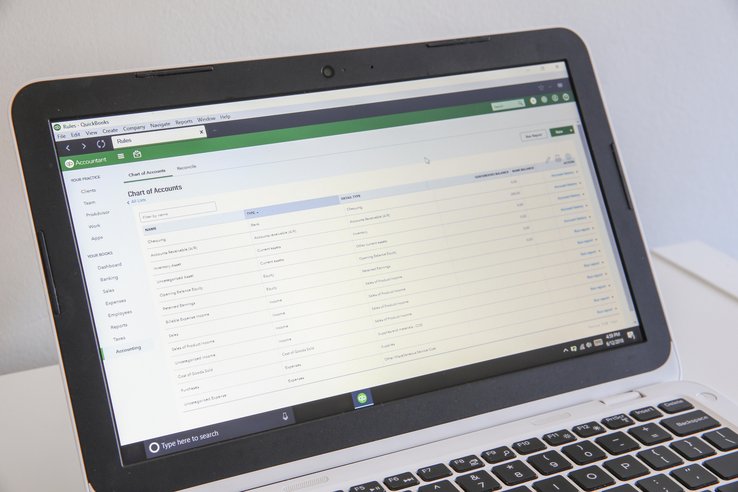
The best construction accounting software in 2026 are QuickBooks Online for small contractors, CrewCost for growing and midmarket construction businesses,…

The best builders risk insurance companies for 2026 are Nationwide for general contractors, State Farm for homeowners and owner-builders, and…

The best construction project management software of 2026 includes Procore for enterprise general contractors, Buildertrend for residential builders, and Contractor…

The best construction estimating software of 2026 includes STACK for all-in-one takeoffs, Sage Estimating for commercial general contractors, and Clear…