


Unlike most states, Pennsylvania handles almost all contractor and trade licensing at the local level rather than through a state board. If a business performs residential remodeling or repairs, it registers with the state and carries a baseline liability policy. For almost every other type of construction—including commercial general contracting, new-home building, electrical, plumbing, and HVAC—insurance requirements and trade licenses are set by the specific city, borough, or township where the project takes place. Beyond meeting permitting rules, Pennsylvania law holds builders liable for hidden construction defects for up to 12 years after a project finishes.
This guide is for Pennsylvania construction business owners, independent 1099 subcontractors, and self-employed tradespeople who want a clear breakdown of state and local insurance rules, 2026 cost benchmarks, and how to avoid common coverage gaps in the Pennsylvania market.
Table of Contents
Pennsylvania Contractor General Liability Insurance Summary
Here is a summary of the most important information a Pennsylvania contractor needs to know about general liability insurance. For a deeper explanation of each topic, read the detailed sections below.
What is General Liability Insurance?
General liability insurance pays for medical bills, legal defense fees, and settlement costs if a contractor’s work injures a bystander or damages someone else’s property.
It does not cover a contractor’s own injured employees, which are covered under workers’ compensation, nor does it pay the cost to tear out and replace a contractor’s own defective work, which requires a separate contractors errors and omissions (E&O) endorsement.
Related Resource: For a comprehensive breakdown of how general liability policies work, exactly what they cover, and how premiums are calculated, read our complete guide: What is General Liability Insurance?
Standard General Liability Requirements in Pennsylvania
In Pennsylvania, the state sets a baseline insurance requirement for remodeling and repair work on existing homes, while local cities and townships require more coverage for trade licenses, building permits, and commercial or new-home projects. Each agency sets a minimum coverage limit—the maximum dollar amount a policy pays out for a single accident or claim (listed on policies as the per-occurrence limit):
| Trade / License Category | Governing Body | Minimum Liability Limit |
| Home Improvement Contractors $5,000+ annual residential work | PA Office of Attorney General (HICPA) | $50,000 personal injury / $50,000 property damage |
| State-Certified Asbestos, Lead & Storage Tank Contractors | PA Dept. of Labor & Industry / PA DEP | $500,000 to $1,000,000 per occurrence |
| Philadelphia Contractors & Trades GCs, Electricians, Plumbers, Warm Air | Philadelphia Dept. of Licenses & Inspections (L&I) | $500,000 per occurrence ($1M–$2M for demolition) |
| Pittsburgh Contractors & Trades General, Electrical, Plumbing, HVAC | Pittsburgh Dept. of Permits, Licenses & Inspections (PLI) | $300,000 per occurrence |
| All Other Municipalities Allentown, Erie, Local Townships | Local Township / Borough UCC Code Offices | Varies (Typically $100,000 to $500,000) |
Commercial & Subcontractor Requirements: Although carrying $50,000 in coverage satisfies state registration for residential remodeling (and meets the $50,000 coverage minimum required for 1099 subcontractors to qualify as independent contractors under Pennsylvania labor law), commercial clients and municipal permitting offices enforce higher coverage amounts. Most commercial developers and upstream general contractors in Pennsylvania require subcontractors to carry at least $1,000,000 in coverage per claim (per occurrence).
Learn more about general liability insurance requirements in Pennsylvania →
Average Costs for Pennsylvania Contractors
General liability insurance prices are driven primarily by a company’s size (annual revenue and payroll), its geographic location (with higher litigation rates in Philadelphia and Pittsburgh), and the physical risk of the trade. Here is what typical baseline premiums look like for Pennsylvania contracting businesses with one to five employees:
| Risk Level | Example Trades | Annual Estimate |
| Low Risk | Interior Painters, Drywall | $1,800 – $2,450 |
| Moderate Risk | Electricians, Plumbers | $3,100 – $4,500 |
| High Risk | General Contractors | $4,400 – $4,950+ |
| Severe Risk | Roofers, Exterior Framing | $6,800 – $7,400+ |
Solo contractors without employees typically pay 60% to 75% less than the multi-employee crew rates listed above, averaging $650 to $1,750 per year.
Learn more about general liability insurance costs in Pennsylvania →
Important Coverage Gaps
Standard general liability policies do not cover every job-site dispute, and Pennsylvania’s construction defect laws and 1099 subcontractor rules leave several common risks uncovered. Contractors typically structure their policies to address four main gaps:
- 12-Year Defect Window: Pennsylvania law holds builders liable for hidden construction flaws for up to 12 years after completion, meaning a policy has to stay active long after the job wraps up to cover late-developing property damage or injury claims.
- Subcontractor Faulty Workmanship: In Pennsylvania, standard policies deny claims when defective work damages the project itself—even if a hired subcontractor caused the flaw—unless the contractor adds a faulty workmanship endorsement.
- Uninsured Subcontractor Audits: Pennsylvania labor law requires hired 1099 subcontractors to carry at least $50,000 in general liability coverage. Hiring uninsured subs exposes a general contractor to state labor fines and extra premium charges at audit.
- Action-Over Lawsuits: When a subcontractor’s injured worker collects workers’ compensation and then sues the general contractor over job-site safety, lower-cost policies with an action-over exclusion deny legal defense and settlement payouts.
Learn more about common GL coverage exclusions in Pennsylvania →
Top General Liability Insurers in Pennsylvania
Large national insurers hold the largest share of Pennsylvania’s overall commercial liability market, largely because state market-share rankings measure total premium dollars written rather than the number of contractors insured:
| Carrier | PA Market Share | Primary Target Market |
| Chubb | 7.74% | High-value commercial & infrastructure |
| Travelers | 5.75% | Mid-to-large commercial GCs & heavy civil |
| AIG (American Intl Grp) | 4.41% | Large national contractors & project wrap-ups |
| CNA Insurance Group | 3.96% | Midsize commercial & specialty trade contractors |
Because state market-share rankings measure total premium dollars written rather than the number of policies sold, carriers focused on large commercial and civil projects top the list. For small Pennsylvania crews (one to five workers), these national carriers often require three to five years of continuous prior coverage, restrict high-hazard trades or heavy subcontractor use, and only sell through appointed commercial brokers.
For these reasons, small residential and specialty trade contractors often buy coverage through Pennsylvania-based insurers like Erie Insurance, Penn National, and Donegal, or through small-business commercial carriers like The Hartford, Selective Insurance, and ERGO NEXT.

Get a General Liability Insurance Quote With ERGO NEXT
General Liability Insurance Requirements for Pennsylvania Contractors
In Pennsylvania, general liability insurance requirements apply to construction business owners, self-employed sole proprietors, and independent 1099 subcontractors—not W-2 employees, who are covered under their employer’s commercial policy while on the clock.
For businesses and independent operators, specific coverage limits depend on whether the company performs residential remodeling or pulls building permits for commercial, new-home, or mechanical trade work in a specific city or township.
State-Level Registration Requirements
Pennsylvania does not operate a statewide licensing board for commercial general contractors, new-home builders, electricians, plumbers, or HVAC technicians. Instead, state agencies enforce insurance minimums for two specific groups of contractors:
- Home Improvement Contractors (HICPA): Under the Home Improvement Consumer Protection Act (73 P.S. § 517.1 et seq.), any contractor or trade business performing $5,000 or more per year in residential repair, remodeling, or replacement work must register with the Pennsylvania Office of Attorney General. To receive and maintain an active HIC registration number, state law requires the business to carry a certificate of insurance showing at least $50,000 in personal injury liability coverage and $50,000 in property damage coverage. Letting the general liability policy lapse triggers an automatic registration suspension. State law also requires contractors to display their HIC registration number on all residential estimates, contracts, and advertisements.
- State-Certified Abatement & Storage Tank Trades: The only specialty trades licensed directly at the state level involve environmental and hazardous materials. The Pennsylvania Department of Labor & Industry and the Department of Environmental Protection (DEP) require state-certified asbestos abatement, lead abatement, and underground storage tank contractors to carry between $500,000 and $1,000,000 in commercial general liability coverage.
City and Municipal Licensing Requirements
Because Pennsylvania delegates building code administration (under the Pennsylvania Uniform Construction Code) and trade licensing to more than 2,500 individual cities, boroughs, and townships, local building departments set their own insurance minimums to issue trade licenses and pull permits.
Working in Pennsylvania’s major cities requires significantly higher limits than the state’s $50,000 home improvement baseline, and suburban builders often register separately in every township where they take a commercial or trade job:
| Jurisdiction | Standard Contractor & Trade License GL Minimum | Demolition, Excavation & Right-of-Way GL Minimum |
| City of Philadelphia Dept. of Licenses & Inspections – L&I | $500,000 per occurrence | $1,000,000 to $2,000,000 per occurrence |
| City of Pittsburgh Dept. of Permits, Licenses & Inspections – PLI | $300,000 per occurrence | $1,000,000 per occurrence |
| Allentown, Reading, & Erie | $300,000 to $500,000 per occurrence | $500,000 to $1,000,000 per occurrence |
| Suburban Townships & Boroughs e.g., Lower Merion, Bensalem, Cranberry | $50,000 (state HIC for residential) or $300,000 to $500,000 (commercial & MEP) | $500,000 to $1,000,000 per occurrence |
Beyond base general liability limits, local building departments enforce additional policy rules before issuing a license. Philadelphia and Pittsburgh require contractors to list the city as an additional insured on their certificate of insurance. Philadelphia also requires licensed contractors to carry $300,000 in commercial auto liability and statutory workers’ compensation. In the Pittsburgh area, plumbing licenses and insurance verification are handled separately through the Allegheny County Health Department rather than the city’s building department.
For demolition, deep excavation, and public right-of-way work, most municipalities require separate $5,000 to $25,000 street-opening bonds alongside higher general liability limits. Cities and townships also typically require policies for heavy civil or utility tie-in permits to include specific coverage for collapse and underground property damage.
1099 Subcontractor Requirements in Pennsylvania
Even when a trade subcontractor does not pull a city permit directly or contract with a homeowner, Pennsylvania labor law still requires active general liability coverage for independent contractors. Under Pennsylvania’s Construction Workplace Misclassification Act (Act 72, 43 P.S. § 933.3), a construction business cannot legally pay a hired worker or crew as a 1099 independent contractor unless that subcontractor signs a written contract, runs an independent business, and carries an active general liability policy with at least $50,000 in coverage.
While Act 72 is a state labor law rather than a trade license, it directly governs how residential and commercial crews hire subcontractors across the state. To avoid state misclassification fines and surprise workers’ compensation audit bills, general contractors must collect a certificate of insurance before allowing any 1099 subcontractor onto a job site.
Commercial Contract Insurance Requirements
On commercial projects, private contracts set the actual insurance floor—requiring much higher limits than the $50,000 state baseline or $300,000 to $500,000 city permit minimums. Upstream general contractors, real estate developers, school districts, and hospital networks typically require trade subcontractors across Pennsylvania to carry baseline limits of $1 million per occurrence and $2 million general aggregate.
In addition to higher dollar limits, commercial construction contracts regularly require specific policy modifications—known as endorsements—that protect the general contractor and property owner from a subcontractor’s mistakes:
- Additional Insured: This adds the general contractor and the project owner to the subcontractor’s policy as an additional insured. If the subcontractor’s work causes property damage or injures a third party—either during construction or after the job wraps up—the subcontractor’s insurer covers the general contractor’s legal defense and settlement costs.
- Primary and Non-Contributory: This controls the order of payout. It requires the subcontractor’s general liability policy to pay out first on a primary and non-contributory basis, preventing the subcontractor’s insurer from asking the general contractor’s insurance policy to share the cost of the claim.
- Waiver of Subrogation: If the subcontractor’s insurance carrier pays a claim on a job site, a waiver of subrogation legally prevents that insurer from suing the general contractor or property owner to recover the payout.
Related Resource: To learn more about the coverage general contractors and commercial contracts require, read our complete guide to General Liability Insurance Requirements.
General Liability Insurance Costs for Pennsylvania Contractors
Solo contractors in Pennsylvania with no employees typically pay between $650 and $1,750 per year for a standard $1 million per occurrence and $2 million aggregate general liability policy. Adding field employees and subcontracted labor increases those baseline rates.
For small construction businesses with a crew of one to five workers, annual premiums generally range from $1,800 to $4,950 for interior, mechanical, and general building trades. Exterior and structural contractors, such as roofers and framers, regularly pay $6,800 or more.
General Liability Costs by Construction Trade
Insurers calculate a contractor’s general liability premium using two primary inputs: the type of trade work being performed and the size of the crew, which is measured by total W-2 field payroll and payments made to 1099 subcontractors. While payroll and subcontractor spending tell the insurer how much work the business handles each year, the trade classification sets the base rate charged per dollar of labor.
The price differences across trades in Pennsylvania come down to the likelihood and average cost of a third-party property damage or injury in each line of work. Interior finish trades like painting and drywall carry the lowest rates because a mistake on the job rarely damages the structure of a building or leads to serious injury. Mechanical, structural, and exterior trades pay significantly more because a single plumbing leak, electrical fire, or open roof during a storm can cause tens of thousands of dollars in property damage.
The table below outlines typical general liability rates for small Pennsylvania contractors (one to five employees) carrying a standard $1 million per occurrence and $2 million aggregate limit:
| Trade Classification | Risk Level | Average Monthly Cost (PA) | Average Annual Cost Range | Primary Cost Drivers |
| Interior Painter / Drywall | Low | $150 – $204 | $1,800 – $2,450 | Interior finish work, non-structural, low third-party property damage severity. |
| Electrician | Moderate | $258 – $375 | $3,100 – $4,500 | Electrical fire hazards in older knob-and-tube or ungrounded rowhomes, panel arc flashes. |
| Plumbing Contractor | Moderate | $315 – $375 | $3,780 – $4,500 | Winter pipe bursts, solder/press-fit leaks behind finished plaster and drywall, water damage. |
| General Building Contractor | Moderate to High | $367 – $412+ | $4,400 – $4,950+ | Vicarious liability for hired subcontractors, party-wall remodeling risks, multi-trade site safety. |
| Roofing Contractor | Severe | $567 – $617+ | $6,800 – $7,400+ | High-elevation fall claims, torch-down flat roof fire hazards, ice dam and open-roof water intrusion. |
Solo operators working without W-2 payroll or uninsured subcontractors generally see premiums 60% to 75% lower than the multi-employee crew rates shown above.
Get a General Liability Insurance Quote With ERGO NEXT
Factors That Affect Contractor Insurance Rates in Pennsylvania
Two contractors in the same trade with identical payroll can still receive very different quotes in Pennsylvania depending on where they work and how they manage subcontractors:
- Metro location and local lawsuit trends: Insurers charge noticeably higher base rates in the five-county Philadelphia metro area and Allegheny County. The Philadelphia Court of Common Pleas is known for high civil jury verdicts, which drives up legal defense and settlement costs for insurance carriers.
- Attached rowhome and party-wall work: Working on attached brick rowhomes and twins in dense Pennsylvania neighborhoods creates high risk to neighboring properties. An excavation error, structural masonry failure, or torch-down roofing fire on one rowhome can easily damage shared party walls and adjoining homes on both sides.
- Winter weather exposure: Pennsylvania’s winter freeze-thaw cycles drive high water-damage claim volume for plumbers, HVAC technicians, and roofers. If temporary heat fails during a mid-winter commercial remodel, newly roughed-in water or fire sprinkler lines can freeze and burst overnight. Roofers working in the Poconos, Lehigh Valley, and Erie snowbelt also face frequent property damage claims from ice dams and heavy snow loads.
- Uninsured 1099 subcontractors: Insurers calculate a general contractor’s premium using both W-2 payroll and total payments made to 1099 subcontractors. At the end of each policy term, the carrier audits the books and requests certificates of insurance for every subcontractor paid during the year. Most insurers require hired subcontractors to carry $500,000 to $1 million in commercial general liability coverage. If a general contractor cannot provide an active certificate meeting those limits, the insurer treats every dollar paid to that subcontractor as uninsured payroll and charges the general contractor the full commercial rate for that trade.
Related Resource: To see how these Pennsylvania premiums compare to the national average, check out our complete breakdown of General Liability Insurance Costs for Contractors.
What General Liability Insurance Covers in Pennsylvania
Commercial general liability insurance splits third-party claims into two distinct project phases: active work on the job site and finished work after the crew leaves.
Ongoing Operations Coverage
Ongoing operations coverage applies to accidents that happen while a contractor is actively working on a project. Standard commercial policies break this coverage down into four core components:
- Third-party property damage: Pays to repair or replace a client’s or neighbor’s property if a crew damages it during construction—such as a mason dropping brick debris through the skylight of an adjacent Philadelphia rowhome or a plumber accidentally flooding an existing finished basement while tying into a main stack.
- Third-party bodily injury: Covers medical bills, hospital stays, and lost wages if someone outside the crew is injured on the job site, such as a homeowner or township Uniform Construction Code (UCC) inspector tripping over staging materials during a framing walkthrough.
- Legal defense costs: Pays for defense attorneys, court fees, and expert witnesses if a contractor is sued over a covered accident, even if the lawsuit is groundless. Under most commercial policies, legal defense is paid outside the policy limits, meaning attorney fees in high-cost venues like Philadelphia or Allegheny County do not reduce the dollar amount available to pay a settlement.
- Personal and advertising injury: Covers non-physical business claims, including copyright infringement in company advertisements, slander, libel, or wrongful eviction from a leased commercial space.
Completed Operations Coverage
Completed operations coverage pays for third-party property damage or bodily injuries that happen after a contractor finishes the job and leaves the site. For example, if an HVAC technician installs a commercial rooftop unit and an improperly secured gas line triggers a fire two years later, completed operations covers the resulting damage to the building and neighboring businesses.
In Pennsylvania, state law (42 Pa. C.S. § 5536) holds builders liable for injuries or resulting property damage caused by hidden construction defects for up to 12 years after a project is finished (known as the statute of repose). That 12-year liability window applies across residential, commercial, and public works projects. If an accident happens during the final two years of the 12-year period, the injured party gets an extra two years to file a lawsuit, extending the builder’s total exposure to 14 years (Clearfield County v. Transystems Corp.).
Most contractor general liability policies are written on an occurrence basis, meaning the policy that pays a claim is the one active when the resulting damage or injury happens or first shows up—not the policy that was in force back when the work was installed. If a contractor cancels their general liability policy or closes the business without keeping completed operations coverage active, any defect claim that surfaces years later will not be covered.
Related Resource: For a deep dive into how GL coverage works and what standard policies include, see our complete guide: What Does General Liability Insurance Cover?
Common Policy Exclusions and Pennsylvania Coverage Gaps
Standard general liability policies contain exclusions that list specific types of property damage and lawsuits the insurer will not pay for. Because general liability is built to cover unexpected accidents, insurers carve out predictable business risks and high-hazard claims unless a contractor pays to add that coverage back.
In Pennsylvania, court rulings on construction defects, attached rowhome work, and subcontractor tracking rules create four common policy exclusions that can leave builders paying for claims out of pocket.
Faulty Workmanship Exclusions
Standard general liability policies cover resulting property damage to someone else’s belongings caused by a construction mistake. For example, if a faulty plumbing joint bursts, the policy pays to replace the homeowner’s ruined hardwood floors. The policy does not cover the cost of tearing out and replacing the defective plumbing work itself.
For general contractors and home builders, a standard policy treats the entire finished building as the builder’s own work. In most states, standard policies still cover damage to the rest of the building if a hired subcontractor caused the defect. However, Pennsylvania courts enforce one of the strictest construction defect rules in the country. Under Pennsylvania Supreme Court and Superior Court rulings (Kvaerner Metals Division v. Commercial Union Insurance Co. and Millers Capital Insurance Co. v. Gambone Brothers Development Co.), foreseeable damage caused by faulty workmanship is not considered an unexpected accident (known in policy language as an occurrence). This rule applies whether the work was done by the general contractor or a hired subcontractor. If a stucco subcontractor improperly installs flashing on a new home in Chester County and water rots the wood framing over the next four years, insurers in Pennsylvania routinely deny both the framing repair costs and the general contractor’s legal defense.
How to stay covered: Specialty trades often add a contractors errors and omissions (E&O) endorsement to pay for redoing defective work. General contractors and home builders can typically work with commercial brokers to add a subcontractor faulty workmanship endorsement. That endorsement restores coverage when a subcontractor’s mistake damages the rest of the project.
Action-Over Exclusions (Subcontractor Injury Lawsuits)
The Pennsylvania Workers’ Compensation Act bars an injured worker from suing their direct employer in civil court. A subcontractor’s injured employee can still file a third-party negligence lawsuit against the general contractor or property owner for an unsafe job site. When the general contractor then looks to the subcontractor’s liability policy to pay for the legal defense and settlement under their subcontract agreement, it triggers what is known as an action-over claim. Standard commercial policies cover these lawsuits. Lower-cost and high-hazard insurers regularly attach an action-over exclusion (also called an injury-to-contractors exclusion). This exclusion removes coverage if any contractor or subcontractor worker is injured on site. In high-verdict jurisdictions like Philadelphia or Allegheny County, that coverage gap can leave a general contractor exposed to six-figure legal bills.
How to stay covered: General contractors and commercial trades typically review policy endorsements before buying coverage to confirm no action-over exclusion is attached. General contractors also commonly require every hired subcontractor to carry general liability coverage without action-over exclusions.
Earth Movement, Open-Roof, and Heating Exclusions
Pennsylvania’s older rowhome stock and winter weather prompt insurers to attach targeted property damage exclusions depending on the trade:
- Earth movement and collapse (XCU) exclusions: In attached rowhome neighborhoods across Philadelphia, Pittsburgh, Lancaster, and Reading, basement underpinning, trenching, or structural masonry work on one building stresses the neighbor’s shared party wall. Lower-cost policies frequently include earth movement or XCU (explosion, collapse, and underground) exclusions. These provisions deny claims if excavation or trenching cracks or collapses an adjoining brick wall.
- Open-roof exclusions: Roofers frequently face open-roof exclusions on lower-cost policies. These exclusions deny interior water damage claims from rain or snow while a roof deck is stripped and exposed during replacement.
- Heat-maintenance warranties: Plumbers and mechanical trades often face policy conditions that require temporary heating on winter job sites. If heat is not maintained above a specified temperature on an unoccupied site, the policy excludes burst-pipe claims.
How to stay covered: Excavation and rowhome remodeling contractors typically verify that their policies include full XCU coverage without human-caused earth movement exclusions. Roofers often look for policies that replace blanket open-roof exclusions with a standard end-of-day tarping requirement. Similarly, mechanical and general contractors maintain logged temporary heat on winter projects to satisfy policy heating conditions.
Subcontractor Warranty Exclusions
Insurance carriers frequently attach subcontractor warranty endorsements to a general contractor’s policy. These endorsements penalize the builder if an unvetted 1099 subcontractor causes damage on site. Before a subcontractor steps onto the job site, the general contractor is required to collect three documents: a signed written contract, an active certificate of insurance meeting specified limits, and an endorsement naming the general contractor as an additional insured. If a general contractor lets a subcontractor start work without those documents on file and that subcontractor causes a fire or structural failure, the insurer can deny the claim outright. Other policies impose a punitive deductible of $25,000 or more for each violation.
How contractors close this gap: Builders typically require every subcontractor to submit a signed contract, W-9, and active certificates of insurance for general liability and workers’ compensation before starting work. Many general contractors also use construction accounting software to track policy expiration dates and pause payments if a subcontractor’s coverage lapses.
Top Pennsylvania Contractor General Liability Insurers
Most interior remodelers, mechanical trades, and established builders in Pennsylvania can buy general liability coverage from mainstream commercial insurers at standard rates. However, mainstream insurers frequently turn down higher-risk exterior and structural trades—such as roofers, excavators, demolition crews, and rowhome remodelers—due to the state’s high litigation costs and strict construction defect laws.
Contractors who cannot get approved for a standard policy can usually work with an insurance broker to buy coverage from an excess and surplus (E&S) insurer. E&S insurers specialize in high-risk construction, though they generally charge higher premiums and attach stricter policy exclusions.
Largest Liability Insurance Providers in Pennsylvania
Across the broader commercial market in Pennsylvania, large national insurance groups that write policies for everything from small trade crews to major commercial projects collect the largest share of liability premiums.
Comparison of Largest Liability Insurance Carriers in Pennsylvania
Comparison of Largest Liability Insurance Carriers in Pennsylvania
| Insurance Carrier / Group | PA Market Share (Other Liability) | Direct Written Premium (PA) | Primary Market Target | Typical Underwriting Minimums |
| Chubb | 7.74% | $371M | Large institutional builders, commercial infrastructure, life sciences | High asset thresholds; strict historical loss controls |
| Travelers | 5.75% | $276M | Mid-to-large general contractors, heavy civil, multi-state commercial | $10,000+ minimum premiums; formal safety and subcontractor controls |
| AIG | 4.41% | $212M | Large national contractors, wrap-ups (OCIP/CCIP), heavy civil | Large account risk engineering; high minimum premiums |
| CNA | 3.96% | $190M | Mid-to-large commercial trade contractors, mechanical, construction services | Established business history; formal risk management programs |
| Berkshire Hathaway | 3.90% | $187M | Heavy civil, commercial contractors, E&S specialty trades, small direct (via BiBERK) | Split between large E&S placements and small direct policies |
| Zurich | 3.74% | $179M | Large commercial builders, civil infrastructure, project-specific wrap-ups | High minimum premiums; rarely writes small artisan crews |
| Fairfax Financial | 3.42% | $164M | E&S construction (via Crum & Forster/Allied World), GCs, specialty trades | Frequently uses E&S placements for higher-risk exterior trades |
| AXA XL (AXA Ins Grp) | 3.37% | $162M | Complex commercial construction, environmental, specialty casualty | High minimum premiums; targets mid-to-large commercial accounts |
| W.R. Berkley | 3.18% | $152M | Regional commercial contractors, specialty trades, E&S risks | Strong E&S focus for trade contractors; strict risk engineering |
| Selective Insurance | 2.63% | $126M | Small-to-midsize regional trade contractors, artisan crews, general builders | Written via independent agents; strong appetite for established local trades |
Methodology: The premium figures above are based on the National Association of Insurance Commissioners (NAIC) “Other Liability” reporting category, which totals $4.80 billion ($4,797,010,000) in Pennsylvania in 2025. This category tracks commercial liability premiums across all industries in the state, not solely construction. Standalone commercial general liability makes up the majority of this volume, though the category also includes premiums from commercial umbrella and management liability policies and excludes bundled Business Owners Policies (BOPs) reported under Commercial Multiple Peril.
Best Insurers for Small and Independent Contractors
For solo operators, 1099 subcontractors, and one-to-five-person crews in Pennsylvania, choosing a carrier usually comes down to three practical factors: fast certificate of insurance (COI) turnaround for permits and general contractors, flexible policy terms, and the ability to bundle mobile tools and work trucks:
- ERGO NEXT (Best overall for independent contractors): Sells policies directly online for independent contractors and small crews. Contractors can generate certificates of insurance and add additional insured wording for Philadelphia L&I or local townships directly from a mobile app.
- The Hartford (Best for established 1–5 person crews): Insures residential and commercial trade contractors, with options to bundle general liability, inland marine tool coverage, and commercial auto on one account.
- Thimble (Best for solo operators & short-term jobs): Allows handymen, remodelers, and 1099 subcontractors to buy coverage by the month or year and pause policies between projects.
- Hiscox (Best for low-hazard interior and finish trades): Hiscox sells standalone general liability and small-equipment coverage directly online, specifically targeting low-hazard residential and light commercial trades like painters, finish carpenters, flooring installers, and handymen.
- Progressive Commercial (Best for bundling work trucks and trailers): Progressive is primarily a commercial auto insurer. When a contractor buys general liability through Progressive (via the Progressive Advantage Business Program), they are usually getting a policy underwritten by a partner carrier so they can manage their pickups, service vans, utility trailers, and general liability on a single account.
- Pennsylvania regional mutuals & specialty brokers: Contractors who prefer working in person with an insurance broker or agent frequently use Pennsylvania-based mutuals like Erie Insurance and Penn National for bundled policies, or specialty E&S brokers for high-hazard roofing, demolition, and excavation work.
Compare General Liability Insurance Quotes
See how much you could save.
Please enter a valid 5-digit zip code.
Related Resource: If you are ready to compare quotes and find the right coverage for your specific trade, check out our continuously updated rankings of the Best General Liability Insurance Companies.
Other Insurance Pennsylvania Contractors Need
General liability insurance covers third-party injuries and property damage, leaving out employee injuries, municipal bond requirements, vehicles, and construction materials. Most Pennsylvania construction businesses carry additional policies and bonds to meet state labor laws, municipal licensing rules, and commercial contract requirements:
- Workers’ Compensation Insurance: State law requires construction businesses with one or more W-2 employees to carry workers’ compensation insurance to cover medical bills and lost wages for injured crew members. Solo operators can file a local exemption affidavit to pull municipal permits.
- Contractor Surety Bonds: To guarantee a builder will follow local codes, repair streets, or finish a contract, cities often require contractor surety bonds for demolition or street-opening permits ($5,000–$25,000), as well as performance and payment bonds on public jobs over $10,000.
- Commercial Auto Insurance: PennDOT requires active commercial auto insurance to cover liability for work pickups, service vans, and light trailers, while contractors add collision coverage to protect their own vehicles. In Philadelphia, L&I requires a minimum $300,000 commercial auto limit for licensed contractors.
- Commercial Truck Insurance: For heavy trucks over 10,001 lbs GVWR (like dump trucks, flatbeds, and lowboys), PennDOT and the FMCSA require high-limit commercial truck insurance for liability, which contractors typically pair with physical damage coverage.
- Tools & Equipment / Inland Marine Insurance: Equipment lenders and commercial contracts routinely require inland marine insurance (also known as tools and equipment coverage) to pay for stolen or damaged hand tools, skid steers, and stored materials on site.
- Builders Risk Insurance: Before starting new builds or structural renovations, lenders and property owners require builders risk insurance to cover fire, wind, theft, and vandalism damage to the structure.
Compare Construction Insurance Quotes
See how much you could save.
Please enter a valid 5-digit zip code.
Frequently Asked Questions
Can I get a Pennsylvania contractor license without general liability insurance?
No—both state residential registration and local municipal licensing boards require proof of general liability insurance before issuing a contractor license. At the state level, the Pennsylvania Office of Attorney General requires proof of at least $50,000 in personal injury liability and $50,000 in property damage coverage to issue or renew a Home Improvement Contractor (HIC) registration number. Because standard commercial general liability policies start at $100,000 to $1 million per occurrence, any active commercial policy will clear the state baseline.
At the local level, cities and townships enforce higher limits before issuing trade or builder licenses. For example, the Philadelphia Department of Licenses and Inspections (L&I) requires a certificate of insurance showing $500,000 in general liability coverage naming the City of Philadelphia as an additional insured to license a general, electrical, plumbing, or warm-air contractor. Similarly, the City of Pittsburgh requires $300,000 in coverage for general contractor registration.
The only exception applies to individual tradespeople working strictly as W-2 employees—such as a journeyman electrician or plumber taking a city exam for a personal trade card—who are covered under their employer’s commercial policy.
Do I need a separate city license if I already have a Pennsylvania HIC number?
Yes, in many municipalities. Under the Home Improvement Consumer Protection Act (73 P.S. § 517.12), a state HIC registration does not replace local city, borough, or township licensing rules. While a state HIC number allows a contractor to perform residential remodeling in unincorporated areas and towns without local licensing boards, cities and larger townships require separate contractor registrations, trade exams, and higher insurance limits before issuing building permits.
For example, a suburban remodeler with an active state HIC number still has to register with the local building department to pull permits in cities like Philadelphia, Pittsburgh, Allentown, or Reading, as well as in many suburban townships. When applying for these local licenses, contractors typically have to have their insurance agent increase their general liability coverage from the state’s $50,000 minimum to meet the municipality’s $100,000 to $500,000 requirement and list the city or township as the certificate holder.
Does general liability cover my 1099 subcontractors or employees in Pennsylvania?
No. Commercial general liability policies strictly cover third-party claims—such as a homeowner, building inspector, or pedestrian getting injured on the job site—and exclude injuries to a contractor’s own W-2 employees or hired workers. In Pennsylvania, construction businesses with even one part-time or full-time W-2 employee are required by state law to carry a separate workers’ compensation policy.
Under Pennsylvania’s Construction Workplace Misclassification Act (Act 72), a general contractor can only classify a hired worker as an independent 1099 subcontractor if that worker signs a written subcontract, operates an independent business, and carries their own active general liability policy with at least $50,000 in coverage. If an uninsured 1099 subcontractor gets hurt on the job site, Pennsylvania labor regulators and workers’ compensation judges frequently classify that worker as a statutory employee of the general contractor. When that happens, the general contractor can face workers’ compensation claims, state misclassification fines, and back-owed premium charges at their annual insurance audit.
References & Additional Resources
- Pennsylvania Office of Attorney General – Home Improvement Contractor Registration: The official state registry administering the Home Improvement Consumer Protection Act (HICPA) and enforcing the $50,000 liability insurance requirement for residential remodelers.
- Pennsylvania Department of Labor & Industry – Construction Workplace Misclassification Act (Act 72): The state agency overseeing independent contractor classification rules, Uniform Construction Code (UCC) administration, and mandatory $50,000 subcontractor liability standards.
- City of Philadelphia Department of Licenses and Inspections (L&I): The municipal department governing contractor and trade licensing, permit issuance, and $500,000+ general liability and additional insured requirements in Philadelphia.
- City of Pittsburgh Department of Permits, Licenses, and Inspections (PLI): The municipal agency administering trade licenses, contractor registrations, and $300,000 minimum liability rules in Pittsburgh.
- Pennsylvania General Assembly – 42 Pa. C.S. § 5536 (Statute of Repose): The official state statute establishing the 12-year completed operations liability window for latent construction defects in Pennsylvania.
- Pennsylvania Insurance Department (PID): The state regulatory agency overseeing commercial insurance carriers, policy forms, and the Pennsylvania Workers’ Compensation security system.
- Kvaerner Metals Division v. Commercial Union Insurance Co. (908 A.2d 888): The landmark Pennsylvania Supreme Court ruling establishing that faulty workmanship is not considered an “accidental occurrence” under standard commercial general liability policies.
- Clearfield County v. Transystems Corp.: The Pennsylvania Supreme Court decision confirming the application of the state’s 12-year statute of repose across different types of construction projects.
- Pennsylvania Uniform Construction Code (UCC): The statewide building code standard enforced by local Pennsylvania municipalities and code offices.
Related Guides
Contractor general liability insurance is a standard coverage that protects a business by paying for third-party injuries, property damage, and…
The Hartford, ERGO NEXT, and Hiscox are the best general liability insurance providers for contractors in 2026. Progressive, Thimble, and…
A standard $1M/$2M general liability policy for a small-to-mid-sized contractor typically costs between $750 and $2,500 annually. [cc_cta placement="hero" resolution="auto"…
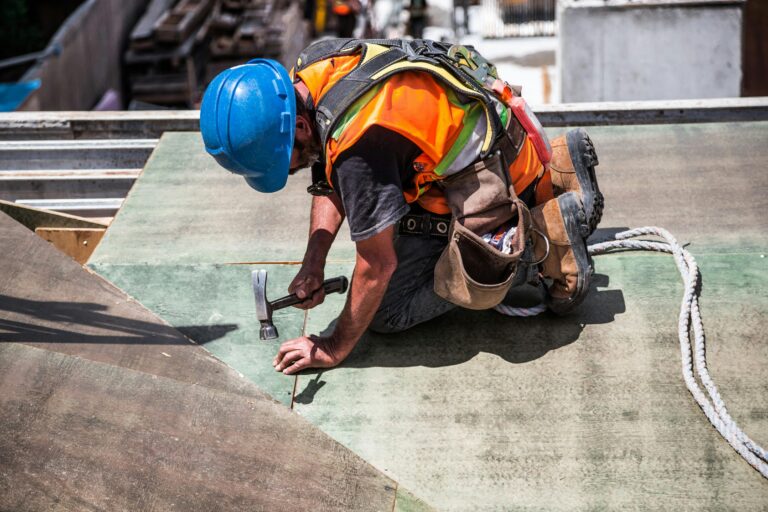
Contractor general liability insurance covers financial losses resulting from third-party bodily injury, third-party property damage, advertising injury, and damages arising…

While state licensing boards may only require $50,000 to $100,000 in general liability coverage for contractors, most commercial construction contracts…

Texas does not have a single statewide insurance rule for all contractors, but an active general liability policy is generally…

To activate and maintain a contractor license in Florida, the Department of Business and Professional Regulation (DBPR) requires proof of…

In California, any contractor performing work valued at $1,000 or more per project must hold an active license from the…
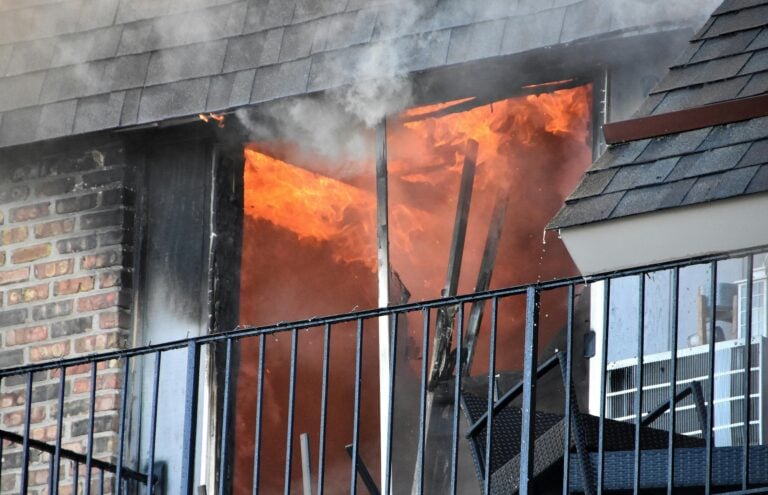
While general liability covers physical "occurrences" (accidents) and professional liability covers "wrongful acts" (errors), the distinction between the two has…

Based on our evaluation of coverage limits, replacement cost options, and claims processing speeds, the best contractors tools and equipment…
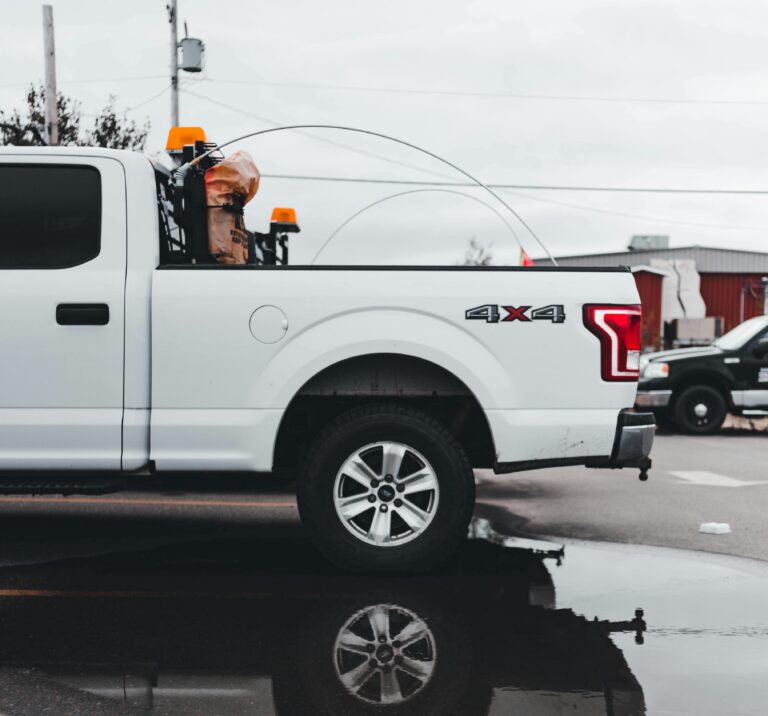
Commercial auto insurance requirements are governed by three distinct authorities: state DMVs require basic split limits for vehicle registration, the…
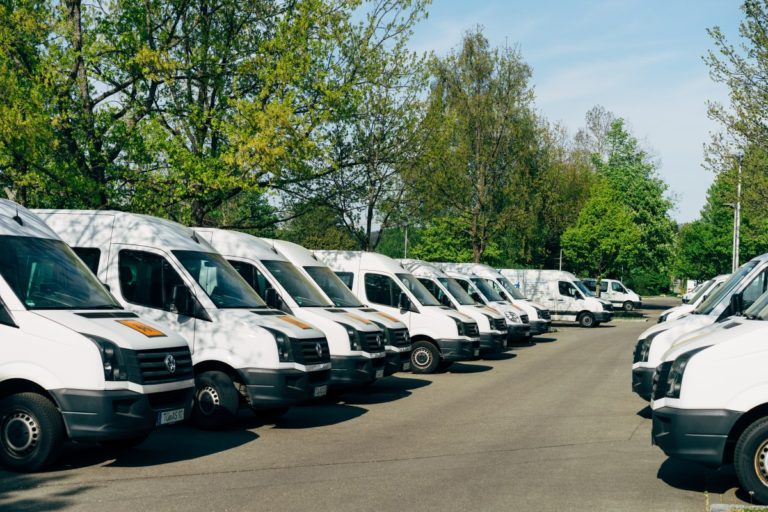
The best commercial auto insurance companies in 2026 are Progressive for newly licensed contractors, ERGO NEXT for specialty trades wanting…