
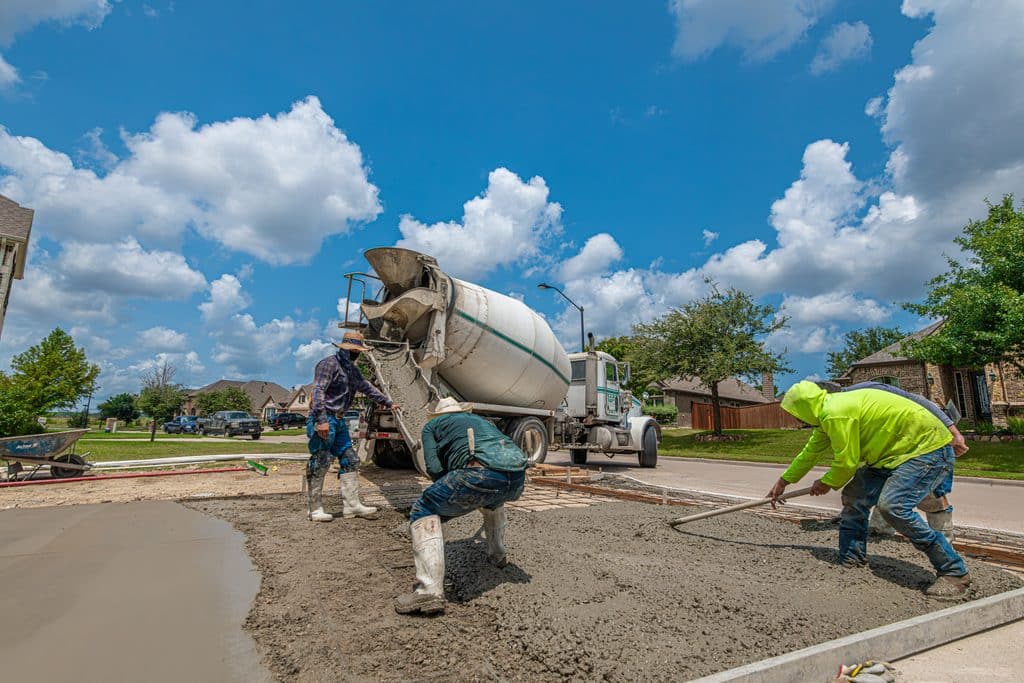


Confusion for builders usually stems from how Texas divides construction classifications. Specialty trades like plumbers, electricians, and HVAC contractors answer directly to state licensing boards that set specific insurance minimums. General contractors and structural builders, however, are regulated at the local level, meaning insurance limits depend entirely on the specific city or county where the project takes place.
Beyond navigating a mix of local and state rules, working in Texas introduces distinct risks that contractors often face. Frequent severe weather drives up premiums, a liability window of up to 10 years exposes contractors to claims for hidden defects long after a project finishes, and state labor laws frequently shift the cost of subcontractor lawsuits directly onto the general contractor.
This guide is for Texas general contractors, residential builders, and specialty trade professionals who want a direct breakdown of local and state insurance requirements, 2026 cost benchmarks, and how to avoid the hidden coverage gaps common in the Texas market.
Texas Contractor General Liability Insurance Summary
Here is a summary of contractor general liability insurance requirements, average costs, and common coverage gaps for Texas contractors. For a deeper explanation of each topic, read the detailed sections below.
What is General Liability Insurance?
General liability insurance pays for medical bills, legal defense fees, and settlement costs if a contractor’s work injures a bystander or damages someone else’s property.
It strictly covers unintended injuries or property damage affecting outside parties. It does not cover a contractor’s own injured employees (which falls under workers’ compensation), nor does it pay the cost to tear out and replace a contractor’s own defective workmanship (which is considered a standard business risk and requires specialized faulty workmanship coverage).
Related Resource: For a comprehensive breakdown of how these policies work, exactly what they cover, and how premiums are calculated, read our complete guide: What is General Liability Insurance?
Standard General Liability Requirements in Texas
Unlike states that use a single unified licensing board, Texas requires specialty trades to answer to state agencies, while general contractors answer to local city permitting offices. Here is the baseline coverage required to operate legally:
| Trade / License Category | Governing Body | Minimum Liability Limit |
| Electricians | Texas Dept. of Licensing & Regulation (TDLR) | $300,000 per occurrence |
| Plumbing Contractors | Texas State Board of Plumbing Examiners (TSBPE) | $300,000 per occurrence |
| HVAC Class A – Unlimited Tonnage | Texas Dept. of Licensing & Regulation (TDLR) | $300,000 per occurrence |
| HVAC Class B – Limited Tonnage | Texas Dept. of Licensing & Regulation (TDLR) | $100,000 per occurrence |
| Other State-Licensed Trades Elevators, Fire Sprinklers, etc. | Various State Agencies (TDLR, State Fire Marshal, etc.) | Varies ($100,000 to $1,000,000) |
| GCs & All Other Trades Roofing, Framing, Painting | Local Municipalities (Austin, Dallas, etc.) | Varies (Typically $100,000 to $300,000) |
Commercial Requirements: Although these minimums allow a business to maintain a state license or city registration, commercial clients enforce much stricter standards. Most commercial developers and upstream general contractors in Texas require subcontractors to hold at least $1,000,000 in coverage.
Learn more about general liability insurance requirements in Texas →
Average 2026 Costs
General liability insurance prices are driven primarily by a company’s size (annual revenue and payroll) and the physical risk of the trade—which, in Texas, is heavily influenced by severe weather exposure. Here is what typical baseline premiums look like for Texas contractors (one to five employees):
| Risk Level | Example Trades | Annual Est. |
| Low Risk | Interior Painters, Drywall | $1,980 – $2,664 |
| Moderate Risk | Electricians, Plumbers | $3,300 – $4,860 |
| High Risk | General Contractors | $4,800 – $5,160+ |
| Severe Risk | Roofers, Exterior Framing | $7,680 – $7,980+ |
Solo operators without employees typically pay 60% to 75% less than the multi-employee crew rates listed above, averaging $780 to $2,000 per year.
Learn more about general liability insurance costs in Texas →
Important Coverage Gaps
Working in Texas exposes contractors to distinct weather and legal risks. Standard policies frequently contain exclusions that leave contractors unprotected against common claims. Contractors often structure their coverage to address:
- 6- to 10-Year Defect Window: Texas sets the statute of repose for hidden construction flaws at up to 10 years after job completion for commercial projects, though the window is shortened to 6 years for residential contractors who provide qualifying written warranties.
- Action-Over Lawsuits: Texas allows employers to opt out of workers’ compensation. When injured workers subsequently sue the general contractor, standard policies with an action-over exclusion completely deny the general contractor’s claim.
- Wind & Hail Deductibles: Because of severe coastal and Panhandle weather, policies frequently shift to percentage-based deductibles for wind/hail, or exclude interior water damage entirely if a roof is open when a storm hits.
Top General Liability Insurers in Texas
A handful of large national carriers hold a significant share of Texas’s commercial liability market. These companies primarily underwrite large commercial developers, multi-state contractors, and heavy infrastructure projects:
| Carrier | Texas Market Share | Primary Target Market |
| Chubb | 6.70% | High-value commercial |
| W.R. Berkley | 4.58% | E&S and trade contractors |
| Markel | 4.42% | Specialty trades |
| Berkshire Hathaway | 4.15% | Large accounts & high-hazard E&S |
Because many top carriers enforce $10,000+ minimum premiums, small Texas crews (one to five employees) typically purchase coverage through small-commercial carriers (like The Hartford or Liberty Mutual), direct digital providers (like ERGO NEXT or BiBERK), or local independent brokers who access excess and surplus (E&S) markets for roofing and structural trades.
Table of Contents

Get a General Liability Insurance Quote With ERGO NEXT
General Liability Insurance Requirements for Texas Contractors
In Texas, insurance requirements depend on the trade and the specific city where the work takes place. While general contractors navigate city-level rules, state-licensed specialty trades answer directly to state boards.
Texas State Board Requirements (for Specialty Trades)
If a trade involves life-safety or specialized building systems—like electrical, plumbing, or HVAC—Texas regulates it at the state level. Contractors are generally required to provide a certificate of insurance to their specific state board before the board will issue or renew a license.
- Electricians: The Texas Department of Licensing and Regulation (TDLR) requires a minimum of $300,000 per occurrence for bodily injury and property damage to hold an electrical contractor license. Because of the high risk of electrical fires and arc flashes, most commercial clients require higher limits; you can compare top-rated carriers in our guide to the best insurance for electricians.
- Plumbing Contractors: The Texas State Board of Plumbing Examiners (TSBPE) requires plumbing contractors to maintain commercial general liability insurance providing at least $300,000 of coverage.
- HVAC (Air Conditioning and Refrigeration): The TDLR splits HVAC requirements by license class. Class A (unlimited tonnage) requires $300,000 per occurrence, while Class B (limited tonnage) requires $100,000 per occurrence.
If a policy lapses, the insurance carrier typically notifies the TDLR or TSBPE, which can result in an immediate license suspension until a new policy is filed.
City & Municipal Permit Requirements (for General Contractors & Other Trades)
Because Texas does not license general contractors, roofers, or framers at the state level, local municipalities handle registration. To pull a building permit, contractors register with the city’s Development Services or Building Inspections department.
These local authorities usually require proof of general liability insurance to finalize the registration, though the limits vary by jurisdiction:
| Jurisdiction | Contractor Registration Requirements | Public Right-of-Way / Heavy Civil Requirements |
|---|---|---|
| City of Austin | One-time contractor registration; trade insurance minimums vary by scope. | $500,000 to $1,000,000 minimum + $10,000 ROW bond. City of Austin must be named as an additional insured. |
| City of San Antonio | $300,000 minimum for home improvement contractors; $500,000 for residential builders. | $1,000,000 minimum. Requires indemnification agreements. |
| City of Houston | No city-level GC registration; contractors pull project permits directly (specialty trades follow state rules). | $1,000,000 minimum; specific requirements for commercial storm sewer and right-of-way tie-ins. |
| City of Dallas | $300,000 minimum general liability limit; annual GC registration required. | $1,000,000 minimum limit; strict limits on public property encroachment. |
Commercial Subcontract Requirements
A basic $300,000 policy that meets regulatory requirements is rarely enough to bid on commercial projects or work as a subcontractor for a large Texas general contractor.
Upstream general contractors, commercial developers, and institutional clients typically require trade subcontractors to carry baseline limits of $1 million per occurrence and $2 million aggregate.
Beyond higher limits, commercial contracts regularly require specific policy modifications—known as endorsements—that protect the upstream contractor and property owner from a subcontractor’s mistakes. Securing these endorsements is standard practice to compete in the commercial sector:
- Additional Insured: This adds the general contractor and the property owner to the subcontractor’s policy as an additional insured. If the subcontractor’s work causes property damage or injures a bystander, the subcontractor’s insurance covers the legal defense and settlement for the GC.
- Primary and Non-Contributory: This dictates the order of payout. It forces the subcontractor’s policy to pay out first on a primary and non-contributory basis, preventing their insurance company from asking the general contractor’s policy to share the cost of the claim.
- Waiver of Subrogation: If the subcontractor’s insurance company pays a claim, a waiver of subrogation legally prevents the insurer from turning around and suing the general contractor to recoup that money.
Related Resource: To learn more about the coverage general contractors and commercial contracts require, read our complete guide to General Liability Insurance Requirements.
General Liability Insurance Costs for Texas Contractors
Solo contractors in Texas with no employees typically pay between $780 and $2,000 per year for general liability insurance. Adding field employees increases those baseline rates.
For small businesses with a crew of one to five workers, annual premiums generally range from $2,000 to $5,200 for interior and mechanical trades. Exterior and structural contractors, such as roofers, regularly pay $7,500 or more.
General Liability Costs by Construction Trade
Insurance carriers calculate premiums using three main factors: trade risk, payroll size, and gross revenue.
In Texas, weather exposure creates the biggest price gap between trades. Interior trades face minimal weather risk and pay lower rates, while exterior contractors exposed to hail, high winds, and elevation hazards carry higher premiums.
The table below outlines typical general liability rates for small Texas contractors (one to five employees) carrying a standard $1 million per occurrence and $2 million aggregate limit:
| Trade Classification | Risk Level | Average Monthly Cost (TX) | Average Annual Cost Range | Primary Cost Drivers |
| Interior Painter / Drywall | Low | $165 – $222 | $1,980 – $2,664 | Interior work, non-structural, negligible weather exposure. |
| Electrician | Moderate | $275 – $405 | $3,300 – $4,860 | Arc flash, electrical fire hazards, utility line damage. |
| Plumbing Contractor | Moderate | $350 – $385 | $4,200 – $4,620 | Concealed water leaks, sudden pipe bursts, mold damage claims. |
| General Building Contractor | Moderate to High | $400 – $430+ | $4,800 – $5,160+ | Subcontractor oversight, multi-trade job site liability, structural work. |
| Roofing Contractor | Severe | $640 – $665+ | $7,680 – $7,980+ | Fall injuries, hail and wind exposure, open-roof water intrusion claims. |
Solo operators working without payroll or subcontractors generally see premiums roughly 75% to 80% lower than the multi-employee rates shown above.
Regional Weather and Subcontractor Risks in Texas
- Severe wind and hail exposure: Carriers charge higher base rates for trades working along the Gulf Coast and across the Panhandle. Framers, concrete contractors, and roofers bear the bulk of these increases because sudden storms can cause costly third-party property damage—such as rain flooding the finished interior of an existing building during a roof tear-off, wind-blown materials striking neighboring property, or site runoff washing onto adjacent lots.
- Subcontractor certificates of insurance: General contractors in Texas rely heavily on specialty trade subcontractors. During the annual policy audit, insurers review the certificates of insurance collected from every subcontractor hired over the past year. If a general contractor cannot prove a subcontractor carried active coverage, the insurer retroactively charges the general contractor for that uninsured work at the carrier’s full trade rate.
Get a General Liability Insurance Quote With ERGO NEXT
Related Resource: To see how these Texas premiums compare to the national average, check out our complete breakdown of General Liability Insurance Costs for Contractors.
What General Liability Insurance Covers in Texas
Commercial general liability insurance splits third-party claims into two distinct project phases: active work on the job site and finished work after the crew leaves.
Ongoing Operations Coverage
Ongoing operations coverage applies to accidents that happen while a contractor is actively working on a project. Standard commercial policies break this coverage down into four core components:
- Third-party property damage: Pays to repair or replace a client’s or bystander’s property if a crew damages it during construction, such as an excavator striking an unmarked private utility line on a tight urban infill lot or a painter spilling primer across existing hardwood floors.
- Third-party bodily injury: Covers medical bills, hospital stays, and lost wages if someone outside the crew is injured on the job site, such as a property owner or municipal inspector tripping over an air compressor hose during a rough-in walkthrough.
- Legal defense costs: Pays for defense attorneys, court fees, and expert witnesses if a contractor is sued over a covered accident, even if the lawsuit is groundless. Under most commercial policies, legal defense is paid outside the policy limits, meaning attorney fees do not reduce the dollar amount available to pay a settlement.
- Personal and advertising injury: Covers non-physical business claims, including copyright infringement in company advertisements, slander, libel, or wrongful eviction from a leased commercial space.
Completed Operations Coverage
Completed operations coverage pays for property damage or bodily injuries that happen after a contractor finishes the job and leaves the site. If an electrician wires a commercial subpanel and a loose lug sparks an electrical fire three years later, completed operations pays for the resulting fire damage to the building.
In Texas, completed operations coverage carries extended weight because of state defect laws. Under Texas Civil Practice and Remedies Code § 16.009, Texas holds builders liable for hidden construction defects for up to 10 years after a project is substantially completed (known as the statute of repose).
For residential construction, state law reduces this liability window to six years if the builder provides a written warranty meeting statutory minimums: one year for workmanship and materials, two years for plumbing, electrical, and HVAC delivery systems, and six years for major structural components. Because a general liability policy only pays out if the policy is active on the actual date the damage occurs—not the date the work was performed—Texas contractors typically maintain continuous completed operations coverage long after a project wraps up.
Related Resource: For a deep dive into how GL coverage works and what standard policies include, see our complete guide: What Does General Liability Insurance Cover?
Common Policy Exclusions and Texas Coverage Gaps
Insurance carriers use policy exclusions to remove high-probability claims from standard policies. In Texas, regional soil conditions, severe weather, and state labor laws create four coverage gaps that frequently leave contractors paying out of pocket unless they take specific steps to address them.
Defective Workmanship and Subcontractor Mistakes
Standard general liability policies cover the resulting damage caused by a construction mistake, but they exclude the cost of repairing or replacing the defective work itself (known as the Your Work exclusion). If a plumbing contractor installs a faulty PEX fitting that bursts inside a wall and ruins a client’s hardwood floors, the policy pays to replace the ruined drywall and flooring, but the plumber pays out of pocket to tear out and re-pipe the plumbing.
For general contractors, a standard commercial policy does not apply this exclusion to work performed by hired subcontractors. In Lamar Homes, Inc. v. Mid-Continent Casualty Co., the Texas Supreme Court ruled that when a subcontractor’s defective work causes unintended property damage—such as foundation movement over North and Central Texas’s expansive clay soils, or water intrusion along the Gulf Coast—the general contractor’s standard policy covers the claim. Because of this ruling, carriers in Texas routinely attach an endorsement (ISO form CG 22 94) that removes this subcontractor protection.
How contractors close this gap: Specialty trades often purchase a Contractors Errors and Omissions (E&O) endorsement, which covers the cost to tear out and replace their own faulty workmanship. General contractors typically ask their broker to verify that form CG 22 94 is not attached to their policy, preserving their standard coverage for defective work performed by subcontractors.
Injured Subcontractor Lawsuits (Action-Over Claims)
Texas is one of two states, alongside South Dakota, where private employers can legally opt out of carrying workers’ compensation insurance. While opting out lowers premium costs, it creates a major liability risk on multi-trade job sites.
If a subcontractor’s employee falls off a scaffold, workers’ compensation rules often prohibit the worker from suing their direct employer, leading them to file a third-party negligence lawsuit against the upstream general contractor for failing to maintain a safe job site. Standard general liability policies cover these claims, but budget and excess-and-surplus (E&S) carriers routinely attach an action-over exclusion (often titled Injury to Employees, Contractors, or Employees of Contractors) that removes this protection.
How contractors close this gap: General contractors typically review their policy forms to confirm there is no action-over exclusion, or they pay an additional premium for an action-over buyback endorsement to restore the coverage. General contractors also enforce subcontract agreements requiring subcontractors to maintain proper insurance policies that include contractual indemnity and additional insured status without action-over exclusions.
Open-Roof and Wind/Hail Limitations
Because of severe hail across the Panhandle and North Texas, alongside hurricane-force winds on the Gulf Coast, policies for roofers and exterior trades regularly include strict weather limitations. Many carriers attach an open-roof exclusion, which denies coverage for interior water damage if rain enters a building while the roof is stripped down to the decking. Carriers in high-wind counties also frequently replace flat-dollar property damage deductibles (such as $1,000 or $2,500) with percentage-based wind and hail deductibles, requiring the contractor to pay 1% to 5% of the property’s total insured value out of pocket.
How contractors close this gap: Roofing and exterior contractors counter these restrictions by purchasing an open-roof buyback endorsement, or by selecting a policy that uses a tarping requirement rather than a blanket exclusion. Under a tarping requirement, the carrier covers interior rain damage as long as the crew documents (usually with time-stamped job-site photos) that the open decking was dried in or covered with heavy-duty tarps before the storm hit. To manage percentage-based wind and hail deductibles, contractors typically ask their broker for a deductible buy-down policy or compare carriers to lock in a flat-dollar deductible before renewal.
Uninsured Subcontractors
Because Texas does not require a state license for general contractors, framers, roofers, drywallers, or painters, the state has a large labor pool of independent 1099 crews working without formal business insurance. To avoid absorbing this uninsured risk, many commercial carriers attach a subcontractor insurance warranty endorsement to a general contractor’s policy. If a general contractor allows a subcontractor onto a job site without first collecting a signed subcontract agreement, an active certificate of insurance, and an additional insured endorsement, the carrier may apply a punitive deductible of $25,000 to $50,000 to any claim caused by that subcontractor, or deny coverage for the claim entirely.
How contractors close this gap: General contractors eliminate this risk either by selecting a standard commercial policy that does not include a subcontractor warranty endorsement, or by enforcing a strict back-office compliance workflow. In practice, this means holding a subcontractor’s first check and barring them from stepping onto the job site until the office verifies their active certificate of insurance, additional insured endorsement, and signed hold-harmless agreement. To automate this, many builders use specialized accounting software for general contractors to track COI expiration dates and automatically place a hard stop on vendor payments if a policy lapses mid-project.
Top Texas Contractor General Liability Insurers
The commercial liability market in Texas splits into two distinct tiers: standard (admitted) insurance companies and excess and surplus (E&S) carriers. Because of severe wind and hail losses across the state and ongoing defect litigation, standard carriers have tightened their underwriting guidelines for construction trades. While standard carriers continue to write policies for low-to-moderate risk interior and mechanical trades, they frequently decline roofers, framers, foundation contractors, and residential general contractors—pushing those higher-risk Texas trades into the E&S market.
Comparison of Largest Liability Insurance Carriers in Texas
Comparison of Largest Liability Insurance Carriers in Texas
| Insurance Carrier / Group | Texas Market Share (Other Liability) | Direct Written Premium (Texas) | Primary Market Target | Typical Underwriting Minimums |
| Chubb | 6.70% | $813M | Large institutional builders, commercial infrastructure, energy sector | High asset thresholds; strict historical loss controls |
| W.R. Berkley | 4.58% | $556M | Regional commercial contractors, specialty trades, E&S risks | E&S focus for trade contractors; strict risk engineering |
| Markel | 4.42% | $536M | Artisan contractors, specialty casualty, hard-to-place E&S risks | Flexible E&S minimums; accepts varied trade risk profiles |
| Berkshire Hathaway | 4.15% | $504M | Heavy civil, commercial contractors, E&S specialty trades | Focuses on large accounts and high-hazard E&S placements |
| Fairfax Financial | 3.98% | $484M | E&S construction (via Crum & Forster/Allied World), general contractors, specialty trades | Frequently uses E&S placements for high-risk exterior trades |
| Travelers | 3.69% | $448M | Mid-to-large general contractors, heavy civil, multi-state commercial | $10,000+ minimum premiums; formal safety programs required |
| AIG | 3.65% | $443M | Large national contractors, wrap-ups (OCIP/CCIP), heavy civil | Large account risk engineering; high minimum premiums |
| Zurich | 3.49% | $424M | Large commercial builders, civil infrastructure, project-specific wrap-ups | High minimum premiums; rarely writes small artisan crews |
| The Hartford | 3.35% | $407M | Small-to-midsize artisan trades, service contractors, light commercial | Clean loss history; low-to-moderate hazard trade classifications |
| Liberty Mutual | 3.14% | $381M | Midsize regional contractors, mechanical and interior trades | Established business history; formal subcontractor controls |
Methodology: The premium figures above are based on the NAIC’s “Other Liability” reporting category, which totals $12.14 billion in Texas in 2025. While commercial general liability makes up the vast majority of this volume, these figures also include premiums from commercial umbrella and management liability policies.
Best Insurers for Small and Independent Contractors in Texas
Many of the largest commercial insurers in Texas—such as Chubb, AIG, Zurich, and Travelers—focus primarily on mid-to-large commercial firms and heavy civil infrastructure. These carriers typically enforce minimum annual premiums starting at $10,000 or more, pricing out independent operators and small crews of one to five workers.
Small construction businesses in Texas generally purchase coverage through one of three channels depending on their trade:
- Standard small-commercial carriers: Interior and mechanical trades (such as electricians, plumbers, HVAC technicians, painters, and drywallers) with a clean claims history often qualify for standard admitted policies from national carriers like The Hartford, Liberty Mutual, or Nationwide, as well as Texas regional carriers like Hochheim Prairie, Germania, and United Fire Group (UFG). These carriers offer lower base rates and frequently allow contractors to bundle general liability with commercial property or tool coverage under a Business Owners Policy (BOP).
- Direct digital providers: Solo operators, handymen, and small artisan crews working on residential remodels or light commercial service calls frequently use online providers such as ERGO NEXT, Thimble, BiBERK (part of Berkshire Hathaway), or Simply Business. These platforms specialize in smaller payrolls and allow contractors to generate certificates of insurance and add additional insureds directly from a mobile app while on a job site.
- Excess and surplus (E&S) carriers: Small Texas contractors working in structural, exterior, or high-hazard trades—including roofers, framers, foundation repair companies, and residential general contractors—rarely qualify for standard online policies. Instead, local independent commercial brokers typically place these businesses with E&S carriers such as Markel, W.R. Berkley, Kinsale, or Scottsdale (Nationwide E&S), which customize policy terms, deductibles, and endorsements for higher-risk Texas work.
Compare General Liability Insurance Quotes from Top Carriers
Please enter a valid 5-digit zip code.
Related Resource: If you are ready to compare quotes and find the right coverage for your specific trade, check out our continuously updated rankings of the Best General Liability Insurance Companies.
Other Insurance Texas Contractors Need
General liability insurance covers third-party injuries and property damage, leaving out employee injuries, municipal bond requirements, vehicles, and construction materials. Most Texas construction businesses carry additional policies and bonds to meet city registration rules and commercial contract requirements:
- Workers’ compensation insurance: Texas does not require private employers to carry workers’ compensation insurance, allowing businesses to operate as non-subscribers. However, Texas Labor Code § 406.096 requires workers’ compensation for any contractor working on a public or government building project. Upstream general contractors and commercial property owners also routinely require subcontractors to carry active coverage before stepping onto a job site, and carrying a policy protects the employer from direct employee negligence lawsuits.
- Municipal license and compliance bonds: While Texas does not require a statewide general contractor bond, major cities use surety bonds to enforce local building codes. To register as a contractor or pull permits in municipalities like Fort Worth, San Antonio, or Dallas, trades typically post a $10,000 to $25,000 compliance or right-of-way bond with the city.
- Commercial auto insurance: Personal auto policies exclude accidents that happen while driving for business, hauling heavy equipment, or pulling utility trailers between job sites. Texas contractors use commercial auto insurance policies to insure light-duty work trucks and service vans on state highways, while heavy civil contractors operating dump trucks or semis use specialized commercial truck insurance. Both policies can be extended to include hired and non-owned auto coverage if employees drive their own pickups for company errands.
- Inland marine insurance (tools and equipment): General liability does not cover a contractor’s own property. Contractors use an inland marine insurance policy—often structured as tools and equipment insurance—to insure mobile machinery like skid steers and mini-excavators, high-value power tools, and building materials like copper pipe or HVAC units against theft or damage while in transit or stored overnight on a job site.
- Builders risk insurance and TWIA windstorm coverage: Builders risk insurance covers a structure while it is actively under construction against fire, vandalism, and weather damage. In the 14 first-tier coastal counties along the Texas Gulf Coast—including Galveston, Nueces (Corpus Christi), and Brazoria—standard builders risk policies routinely exclude wind and hail damage. Contractors and property owners building in these coastal zones typically purchase a separate windstorm policy through the Texas Windstorm Insurance Association (TWIA) and coordinate windstorm inspections (WPI-8 certificates) during framing and roofing phases.
Frequently Asked Questions
Do I need insurance for a handyman business in Texas?
Texas does not require a statewide license or general liability insurance for a handyman business performing basic carpentry, drywall patching, painting, or minor repairs. However, handymen remain legally liable under Texas civil law for any property damage or injuries they cause on a job site. If a handyman accidentally punctures a water line behind a wall while hanging cabinets or drops a ladder onto a client’s vehicle, the business owner pays for the repairs and legal defense out of pocket unless they carry an active general liability policy. In addition, commercial property managers, real estate investors, and cities with local home improvement registration rules (such as San Antonio) routinely require handymen to provide a certificate of insurance before starting work.
If you are looking for an affordable, light-duty policy, compare quotes from the best handyman insurance companies.
Can I get a Texas contractor license without general liability insurance?
It depends on the trade and the level of the license. Individual trade workers—such as journeyman electricians, journeyman plumbers, and registered ACR technicians—do not need to carry their own general liability policy to obtain a personal trade license. However, business-level license holders are required by the state to carry active coverage. The Texas Department of Licensing and Regulation (TDLR) will not issue or renew an Electrical Contractor or Air Conditioning and Refrigeration (ACR) Contractor license without proof of general liability insurance, and the Texas State Board of Plumbing Examiners (TSBPE) requires Responsible Master Plumbers to maintain an active certificate of insurance on file. For general contractors and exterior trades, the state does not issue a license, but major city building departments require proof of general liability coverage to register as a local contractor and pull building permits.
Does general liability cover my injured employees if I opt out of Texas Workers’ Comp?
No. Commercial general liability policies strictly cover third-party injuries—such as a homeowner, building inspector, or bystander getting hurt on the job site—and explicitly exclude injuries to a contractor’s own W-2 employees. If a Texas construction business opts out of carrying workers’ compensation insurance (operating as a non-subscriber) and an employee is injured on the job, the general liability policy will deny the claim. Furthermore, under Texas Labor Code § 406.033, non-subscriber employers lose their common-law legal defenses in court—meaning if the injured worker sues the company for negligence, the employer cannot argue that the worker assumed the risk or was partially at fault for their own injury. Contractors typically carry workers’ compensation or an occupational accident policy to cover crew injuries.
References & Additional Resources
- Texas Department of Licensing and Regulation (TDLR): The state regulatory agency governing licensing and insurance minimums for electricians, HVAC technicians, and water well drillers.
- Texas State Board of Plumbing Examiners (TSBPE): The dedicated agency regulating plumbing licenses and insurance requirements in the state.
- Texas Civil Practice and Remedies Code § 16.009: The official state statute establishing the 10-year statute of repose for latent construction defects.
- Texas Department of Insurance (TDI): The state agency that regulates the insurance market, oversees the Workers’ Compensation system, and provides resources for commercial insurance consumers.
Related Guides
Contractor general liability insurance is a standard coverage that protects a business by paying for third-party injuries, property damage, and…
The Hartford, ERGO NEXT, and Hiscox are the best general liability insurance providers for contractors in 2026. Progressive, Thimble, and…
A standard $1M/$2M general liability policy for a small-to-mid-sized contractor typically costs between $750 and $2,500 annually. [cc_cta placement="hero" resolution="auto"…
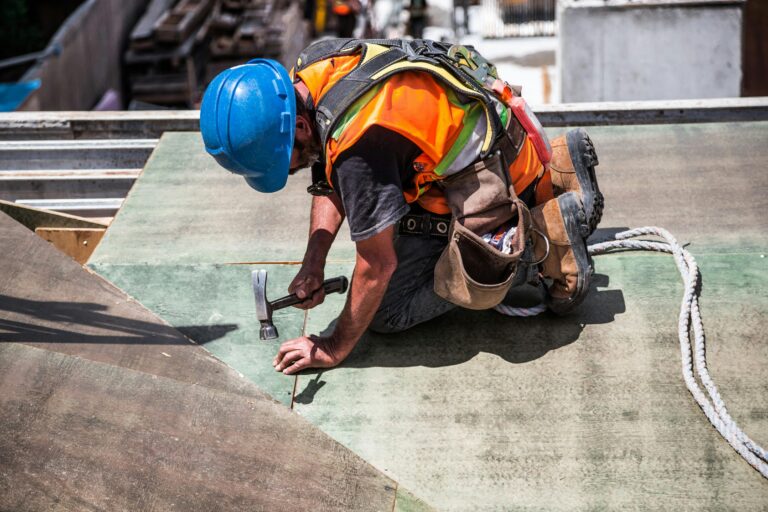
Contractor general liability insurance covers financial losses resulting from third-party bodily injury, third-party property damage, advertising injury, and damages arising…

While state licensing boards may only require $50,000 to $100,000 in general liability coverage for contractors, most commercial construction contracts…

To activate and maintain a contractor license in Florida, the Department of Business and Professional Regulation (DBPR) requires proof of…

In California, any contractor performing work valued at $1,000 or more per project must hold an active license from the…
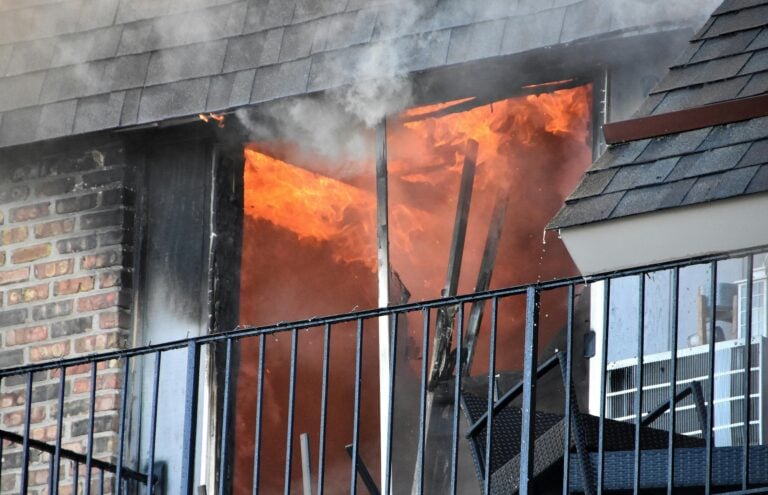
While general liability covers physical "occurrences" (accidents) and professional liability covers "wrongful acts" (errors), the distinction between the two has…

Based on our evaluation of coverage limits, replacement cost options, and claims processing speeds, the best contractors tools and equipment…
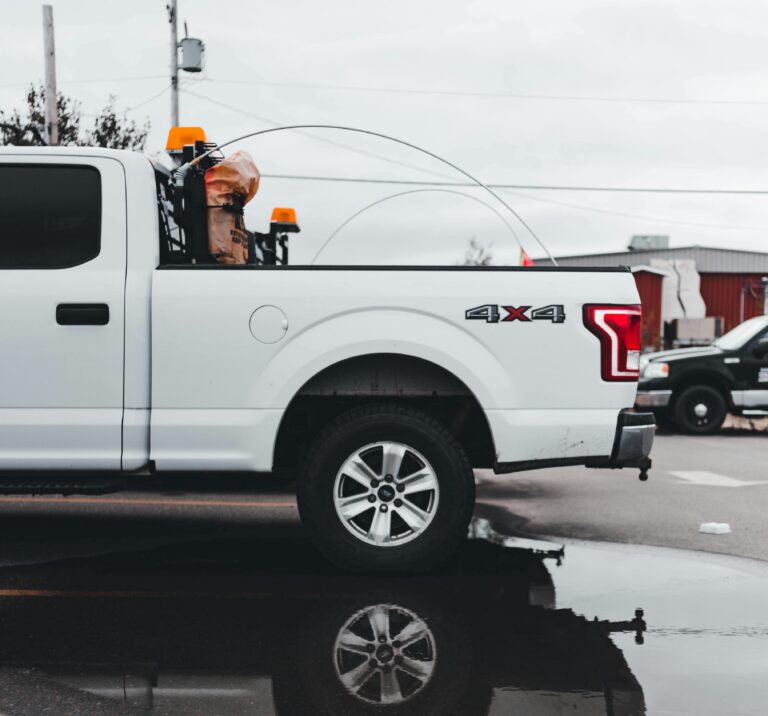
Commercial auto insurance requirements are governed by three distinct authorities: state DMVs require basic split limits for vehicle registration, the…
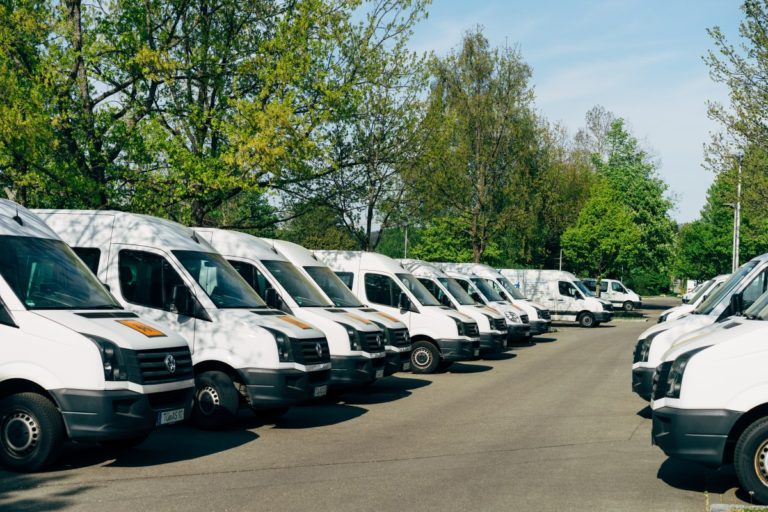
The best commercial auto insurance companies in 2026 are Progressive for newly licensed contractors, ERGO NEXT for specialty trades wanting…